Baccarat Strategy Basics: What Changed for 2026/27
The 2026/27 Baccarat Table Is Not the Same Game
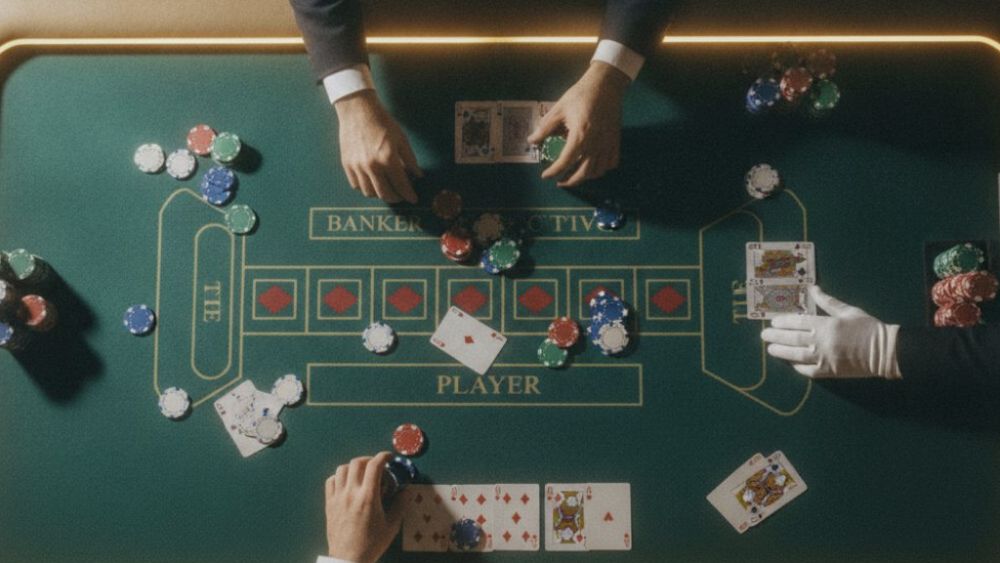
If you last played baccarat seriously in 2024, walking up to a 2026/27 table — physical or live dealer — might feel like arriving at a different casino. The fundamentals haven't moved: you still bet on Player, Banker, or Tie, and the third-card draw rules still follow the same fixed tableau. But the surrounding conditions have shifted in ways that matter for anyone trying to squeeze out a consistent edge.
Three changes stand out this season. First, more Philippine-facing operators have moved to no-commission baccarat variants, where a Banker win pays even money except when Banker wins with a total of 6 — then it pays 0.5:1. Second, live dealer tables now run on faster shuffle cycles and auto-deal shoes, cutting the time between hands by roughly 15–20% compared to last season. Third, table limits have been restructured: lower minimums on some tables, but tighter maximums on the main floor, pushing high rollers toward private live tables.
None of these changes alter the mathematical house edge of the base game. What they alter is how you apply basic strategy — and how much the small edges you gain actually matter over a session.
How the Rule Tweaks Affect Basic Strategy
Basic baccarat strategy has always been simple: bet Banker every hand, accept the 5% commission, and minimize Tie bets. That still holds in 2026/27, but the commission structure changes the math enough that you should recalibrate.
Commission vs. No-Commission: The Real Difference
Standard commission baccarat gives Banker a house edge of about 1.06%. No-commission baccarat, with the 6-pay-0.5 rule, pushes that edge to roughly 1.46% — higher than standard, but still lower than Player (1.24%) or Tie (around 14%). So if you're choosing between a commission table and a no-commission table, the commission table is mathematically better for Banker bettors. But many players prefer no-commission because the payout feels cleaner and there's no mental math after each win.
The practical takeaway: don't switch to no-commission just because it's newer. Check the specific rule — some operators use a 6-pay-0.5 rule, others use a 6-pay-0.4 rule, and a few have introduced a 7-pay-0.5 variant that shifts the edge again. Read the table rules before you sit down.
Faster Shoes and Betting Windows
Live dealer tables in 2026/27 often give you less time to place bets between hands. If you're using a progressive betting system — and we'll get to why you probably shouldn't — the compressed window makes it harder to track your progression accurately. More importantly, faster shoes mean more hands per hour, which means your expected loss per hour increases if you're on the wrong side of the edge. A player betting ₱500 per hand on Banker at a standard table faces an expected loss of about ₱5.30 per hand. At 60 hands per hour, that's ₱318 per hour. At 80 hands per hour, it's ₱424. The game didn't get worse — you just played more of it.
Betting Systems: What Still Works and What Doesn't
Every few months, a new baccarat system circulates in Philippine casino forums. The 2026/27 season is no different. Here's the honest breakdown.
Martingale and Its Cousins
Martingale — double your bet after every loss — still fails for the same reason it always has: table maximums. On a ₱100 minimum, ₱5,000 maximum table, you can absorb only six consecutive losses before you hit the ceiling. The probability of seven consecutive Banker losses is low, but over hundreds of hands, it happens. When it does, the recovery cost exceeds the table limit. No commission structure change fixes that.
Flat Betting with a Twist
The strategy that actually survives scrutiny is flat betting Banker with strict session limits. In 2026/27, with faster tables, the twist is to set a hand count rather than a time limit. Decide before you sit down: "I will play 40 hands, then leave." This caps your exposure to the house edge and prevents the slow bleed that comes from unlimited play. It's not exciting, but it's mathematically sound.
Pattern Tracking and Shoe Reading
Many Filipino players still swear by tracking streaks and patterns — looking for Banker runs, Player runs, or chop sequences. The shoe has no memory. A Banker win after five Player wins is still roughly a 45.86% probability (before commission). Pattern tracking can make the game more engaging, but it doesn't change the edge. If you enjoy it, treat it as entertainment, not strategy.
"The only baccarat strategy that consistently reduces losses is betting the lowest-edge option and playing fewer hands. Everything else is variance dressed up as skill."
Bankroll Management for the 2026/27 Tables
With table limits shifting, bankroll management deserves a fresh look. The old advice — bring 20 times your average bet — still works, but the faster pace and new limit structures require a few adjustments.
- Set a loss limit before you start. With faster shoes, you can burn through a bankroll in half the time it took last season. Decide on a peso amount you're comfortable losing and stop when you hit it.
- Match your bet size to the table minimum, not your ego. If the minimum is ₱200 and you're buying in for ₱2,000, you have 10 units. That's thin. Aim for at least 30–40 units so you can survive normal variance.
- Track hands, not hours. Because live tables run faster, an hour can mean 80 hands instead of 60. Set a hand limit — 50 is a reasonable session — and stick to it.
- Avoid chasing losses on no-commission tables. The higher house edge on the 6-pay-0.5 rule means recovery is harder. If you're on a no-commission table and hit a losing streak, the math is working against you more than usual.
One more thing: many Philippine operators now offer live dealer baccarat with early payout or auto-stand features. These are convenience tools, not strategy tools. They don't change the odds. Use them if they make the game more enjoyable, but don't mistake them for an edge.
The Bottom Line for Filipino Players This Season
Baccarat in 2026/27 is still a game of fixed odds and small edges. The rule tweaks, faster tables, and new commission structures change the texture of play, but they don't change the core reality: Banker is the best bet, Tie is the worst, and no betting system overcomes the house edge in the long run.
What you can control is your exposure. Play fewer hands. Choose commission tables over no-commission when you're betting Banker. Set a hand count and a loss limit. And treat the game as entertainment, not a income stream. The players who last are the ones who understand that baccarat strategy is mostly about damage control, not beating the house.
If you're trying a new table this season, start with the minimum bet and a fixed number of hands. Watch how the faster pace feels. Then decide if the game still fits your budget and your temperament. That's the only strategy that matters in the long run.